Quick Summary
Daily habits such as prolonged sitting, a low-fibre diet, dehydration, and irregular routines gradually increase the risk of piles by affecting digestion and bowel movement. Ayurveda explains this connection through weakened digestive fire and an imbalance in the colon. Simple lifestyle corrections and herbal support help maintain digestive balance and support long-term prevention.
Introduction
Piles, medically known as haemorrhoids, usually develop gradually through lifestyle factors rather than suddenly. Many individuals experience early warning signs only after months or years of daily habits that quietly increase pressure in the rectal veins. Prolonged sitting, irregular eating schedules, dehydration, and frequent straining during bowel movements gradually affect circulation in the lower gastrointestinal tract and contribute to varicose veins.
Clinical research consistently identifies several lifestyle factors strongly associated with haemorrhoids. Prolonged sitting, low-fibre diets, inadequate hydration, and chronic constipation rank among the most common triggers because these habits create harder stools and increased pressure during bowel movements. Over time, this pressure can enlarge the hemorrhoidal veins and lead to discomfort, itching, or bleeding.
Ayurveda describes this condition as Arsha, a disorder that develops when digestive balance weakens. According to classical Ayurvedic texts, such as the Charaka Samhita, an impaired digestive fire (Agni) leads to incomplete digestion and the accumulation of metabolic toxins called Ama. This digestive imbalance disrupts the natural flow of Vata in the colon, increasing dryness and constipation, thereby placing stress on the rectal veins.
Understanding how daily habits influence digestion offers an important step toward prevention. By correcting underlying digestive imbalances and adopting supportive lifestyle practices, individuals can significantly reduce the risk of developing haemorrhoids. Those exploring holistic care often turn to Ayurvedic approaches that support digestive strength and bowel regularity, as discussed in detail in this guide on Ayurvedic treatment for haemorrhoids.
The sections below examine the modern lifestyle patterns most strongly associated with piles and explain how simple changes in diet, hydration, movement, and digestive care can support long-term rectal health.
How Ayurveda Explains the Development of Piles
Ayurveda presents a clear and deeply connected view of how piles develop, focusing on digestion as the central foundation of health. Classical Ayurvedic texts describe piles, or Arsha, as a condition rooted in internal imbalance rather than an isolated rectal issue. The process begins with disturbances in digestion and gradually progresses toward visible symptoms.
1. Impaired Digestive Fire (Agni)
-
Agni represents the body’s ability to digest and metabolise food efficiently.
-
When Agni becomes weak due to irregular eating habits, heavy foods, or poor lifestyle patterns, digestion slows down.
-
This creates a state where food remains partially processed within the system.
A balanced Agni supports smooth digestion, while a weakened Agni initiates the chain of events leading to piles.
2. Toxin Accumulation (Ama)
-
Incomplete digestion leads to the formation of Ama, a sticky metabolic residue described in Ayurveda.
-
Ama begins to accumulate in the digestive tract and interferes with nutrient absorption.
-
Over time, this buildup creates heaviness and sluggish movement within the intestines.
This stage reflects the early internal imbalance where the body starts losing its natural cleansing efficiency.
3. Disturbed Vata in the Colon
-
Ayurveda identifies Vata dosha as the regulator of movement, including bowel function.
-
When digestion weakens and Ama accumulates, Vata becomes aggravated, especially in the colon.
-
This disturbance leads to dryness, irregular bowel movements, and difficulty in stool passage.
As Vata imbalance increases, the colon loses its natural rhythm, making elimination less smooth and more effort-driven.
4. Development of Constipation and Straining
-
The combined effect of weak Agni, Ama, and disturbed Vata results in constipation.
-
Stools become dry, hard, and difficult to pass.
-
This creates a need for repeated straining during bowel movements.
From a modern physiological perspective, straining significantly increases pressure in the rectal veins, which aligns closely with Ayurvedic explanations.
5. Pressure on Rectal Veins and Swelling
-
Continuous straining places excessive pressure on the rectal veins.
-
These veins begin to swell, stretch, and lose their normal structure.
-
Over time, this leads to the formation of piles, characterised by discomfort, itching, and sometimes bleeding.
Key Insight: The Digestive Link to Piles
Ayurveda clearly establishes a cause-and-effect relationship:
-
Weak digestion → Ama formation
-
Ama accumulation → Vata disturbance
-
Vata imbalance → Constipation
-
Constipation → Straining
-
Straining → Rectal vein swelling (piles)
This connection highlights an important principle: piles begin in the digestive system long before symptoms appear externally.
Why Modern Lifestyle Habits Are Increasing Piles
The rising number of piles cases today reflects a clear shift in daily living patterns. Modern routines often prioritise convenience and speed, while digestive health receives less attention. Over time, this imbalance creates internal pressure that supports the development of piles.
1. Desk Jobs and Prolonged Sitting
-
Many professionals spend extended hours seated at desks or in front of screens.
-
Continuous sitting places steady pressure on the rectal veins.
-
Reduced lower-body movement slows blood circulation in the pelvic region.
Medical observations show that prolonged sitting contributes to increased venous pressure, which plays a direct role in the development of haemorrhoids.
2. Reduced Physical Movement
-
Daily movement has decreased due to digital work environments and automated lifestyles.
-
Walking, stretching, and natural body activity have reduced significantly.
-
This slows intestinal movement and affects bowel regularity.
From a physiological perspective, movement supports healthy circulation and bowel function. Limited activity encourages stagnation, which impacts digestive efficiency.
3. Fast Food and Low-Fibre Diet Patterns
-
Modern diets often include processed foods, refined flour, and low-fibre meals.
-
Such foods lack the bulk required for smooth bowel movements.
-
This leads to harder stools and increased effort during elimination.
Scientific dietary studies consistently associate low fibre intake with constipation, one of the strongest contributors to piles.
4. Irregular Sleep and Eating Cycles
-
Late-night routines and inconsistent meal timings disturb the body’s natural rhythm.
-
Digestion works best when aligned with a regular schedule.
-
Irregular patterns weaken digestive efficiency over time.
This disruption affects gut motility and can gradually lead to incomplete digestion and bowel irregularity.
Ayurvedic Perspective on Modern Habits
Ayurveda views these lifestyle patterns as a root cause of internal imbalance:
-
Reduced movement increases Kapha, creating heaviness and sluggish digestion
-
Irregular routines and stress aggravate Vata, leading to dryness and constipation
-
Together, these imbalances slow down digestive processes and create stagnation in the digestive tract
This stagnation supports the earlier stages of piles development described in Ayurveda.
Key Insight
Modern lifestyle habits influence digestion, circulation, and bowel patterns simultaneously. When these factors remain unbalanced for extended periods, they create the ideal internal environment for piles to develop.
Improving daily movement, dietary quality, and routine consistency plays a direct role in reducing this risk and supporting long-term digestive health.
9 Everyday Lifestyle Habits That Increase the Risk of Piles
Daily habits shape digestive health more than occasional factors. Medical research and Ayurvedic principles both highlight that repeated lifestyle patterns gradually increase pressure on rectal veins and disturb bowel function. Understanding these triggers helps prevent piles at an early stage.
1. Sitting for Long Hours
-
Common among desk workers, drivers, and individuals with sedentary routines
-
Prolonged sitting reduces blood circulation in the pelvic region
-
Continuous pressure builds up in the rectal veins over time
Practical tips:
-
Stand and stretch every 45–60 minutes
-
Take short walks during work breaks
Ayurvedic insight:
Regular movement stimulates Agni and supports smooth digestion, preventing stagnation in the colon.
2. Low Fibre Diet and Processed Foods
-
Frequent intake of junk food, refined flour, and packaged meals
-
Limited consumption of vegetables and whole foods
Impact:
-
Low fibre reduces stool bulk
-
Leads to hard stools and constipation, a primary trigger for piles
Recommended foods:
-
Papaya
-
Oats
-
Leafy greens
-
Warm water in the morning
Ayurvedic insight:
Natural, fibre-rich foods support intestinal cleansing and maintain digestive balance.
3. Chronic Constipation and Straining
-
Difficulty in passing stool leads to repeated straining
-
Increased pressure directly affects the rectal veins
Medical insight:
Regular straining enlarges hemorrhoidal veins and contributes to swelling.
Ayurvedic perspective:
Constipation reflects aggravated Vata dosha in the colon, leading to dryness and obstruction.
4. Dehydration
-
Inadequate water intake throughout the day
-
High consumption of caffeine-based beverages
Impact:
-
The stool becomes dry and hard
-
Bowel movements require more effort
Practical advice:
-
Consume 8–10 glasses of water daily
-
Include buttermilk and coconut water for hydration
Proper hydration supports smooth bowel movement and reduces internal pressure.
5. Excessive Toilet Sitting (Phone Use)
-
Extended time in the toilet due to smartphone use
-
Unnecessary prolonging of bowel posture
Impact:
-
Increased pressure on the rectal veins
-
Reduced natural bowel reflex efficiency
Tip:
Limit toilet time to around 5 minutes to support natural elimination patterns.
6. Heavy Weight Lifting
-
Activities involving intense abdominal strain
-
Common in heavy gym routines or improper lifting techniques
Medical insight:
Increased abdominal pressure directly affects rectal veins and may worsen existing piles.
Ayurvedic suggestion:
Prefer balanced activities such as yoga and stretching, which support circulation without excessive strain.
7. Obesity and Weight Gain
-
Excess body weight increases pressure on the abdominal and pelvic regions
-
Circulation in the lower body becomes less efficient
Impact:
-
Rectal veins experience continuous pressure
-
The risk of piles increases gradually
Lifestyle approach:
-
Maintain a balanced diet
-
Include daily walking or light exercise
8. Irregular Eating Habits
-
Skipping meals or eating at inconsistent times
-
Late-night dinners and frequent fast food consumption
Impact:
-
Digestive rhythm becomes unstable
-
Bowel movements lose consistency
Ayurvedic insight:
Irregular eating weakens Agni, leading to incomplete digestion and toxin buildup.
9. Stress and Digestive Disruption
-
Mental stress directly influences gut function
-
Alters bowel movement patterns
Impact:
-
Can lead to constipation or irregular elimination
-
Digestive efficiency declines over time
Ayurvedic perspective:
Stress aggravates Vata dosha, disturbing the natural flow of digestion.
Practical tips:
-
Practice breathing exercises
-
Include meditation in your daily routine
-
Take evening walks to relax the mind and body
Key Insight
These everyday habits may seem minor individually, yet their combined effect creates the internal conditions that support the development. Improving movement, hydration, diet quality, and routine consistency helps maintain healthy digestion and reduces pressure on rectal veins, forming the foundation of long-term prevention.
Early Signs That Lifestyle Is Triggering Piles
Piles often begin with mild, easily noticeable signals that reflect internal imbalance. These early signs usually appear when daily habits start affecting digestion and increasing pressure in the rectal area. Recognising them at the right time supports faster correction and prevents progression.
Common Early Symptoms
-
Itching around the anal region
-
A frequent early indicator caused by irritation of the surrounding skin
-
Often linked with dryness and incomplete bowel evacuation
-
-
Burning sensation
-
A feeling of heat or discomfort, especially after passing stool
-
May reflect inflammation developing in the rectal tissues
-
-
Bleeding during bowel movement
-
Small amounts of bright red blood may appear on toilet paper or stool
-
Commonly associated with straining and increased venous pressure
-
-
Discomfort after long sitting
-
A dull ache or heaviness is felt after prolonged sitting
-
Indicates pressure buildup in the rectal veins
-
Why Early Attention Matters
These symptoms act as the body’s early communication system. They signal that digestion, bowel habits, and daily routines require attention. At this stage, lifestyle adjustments such as improving diet, hydration, and movement patterns can effectively restore balance.
From an Ayurvedic perspective, these signs reflect early disturbance in Agni and Vata, which can still be corrected through simple daily practices. Timely action at this phase supports natural healing and reduces the likelihood of the condition advancing into more severe stages.
Key Insight
Early symptoms of piles provide an opportunity for prevention. Consistent lifestyle correction and digestive care at this stage support long-term relief and help maintain healthy bowel function.
Daily Habits Ayurveda Recommends for Healthy Digestion
Ayurveda places daily routine at the centre of digestive health. Simple, consistent habits support strong digestion, smooth bowel movement, and balanced internal function. These practices help reduce pressure on rectal veins and create a natural defence against piles.
1. Morning Routine for Digestive Activation
-
Warm water after waking
-
Stimulates the digestive system
-
Supports natural bowel movement
-
-
Gentle stretching
-
Activates circulation and intestinal movement
-
Prepares the body for elimination
-
-
Regular bowel timing
-
Encourages a consistent elimination pattern
-
Reduces the need for straining
-
A steady morning routine aligns the body’s natural rhythm and promotes efficient digestion.
2. Diet That Supports Smooth Digestion
-
Fibre-rich foods
-
Whole grains, fruits, and vegetables improve stool bulk
-
Support easy and complete bowel movements
-
-
Ghee in moderation
-
Helps lubricate the intestines
-
Reduces dryness associated with difficult stools
-
-
Digestive spices
-
Cumin and ginger enhance digestive efficiency
-
Support better breakdown and absorption of food
-
Ayurveda emphasises warm, freshly prepared meals that are easy to digest and aligned with regular meal timings.
3. Daily Movement and Physical Activity
-
Yoga
-
Supports digestion and improves blood circulation
-
Helps regulate bowel function naturally
-
-
Walking
-
Encourages intestinal movement
-
Reduces stagnation in the digestive tract
-
-
Squatting posture
-
Aligns the rectum for smoother elimination
-
Minimises strain during bowel movements
-
Regular physical activity plays a key role in maintaining digestive balance and preventing constipation.
Key Insight
Consistent daily habits form the foundation of digestive health in Ayurveda. A balanced routine that includes proper hydration, mindful eating, and regular movement supports smooth bowel function and helps prevent the conditions that lead to piles.
Natural Ayurvedic Support for Piles
Along with lifestyle correction, Ayurveda highlights the role of herbal support in maintaining digestive balance and supporting recovery from piles. Herbal formulations work in harmony with the body, focusing on the root causes such as weak digestion, inflammation, and irregular bowel movement.
How Ayurvedic Herbs Support Piles Management
Certain classical herbs are known to assist in multiple ways:
-
Improve digestion
-
Strengthen digestive fire (Agni)
-
Support complete breakdown and absorption of food
-
-
Reduce swelling and inflammation
-
Help soothe irritated rectal tissues
-
Support comfort during bowel movements
-
-
Support vein health
-
Promote healthy circulation
-
Help maintain the normal structure of the rectal veins
-
These combined effects help reduce the internal factors that contribute to the development.
Key Ayurvedic Herbs Traditionally Used
-
Triphala
-
A combination of three fruits known for gentle bowel regulation
-
Supports natural cleansing and improves stool consistency
-
-
Haritaki
-
Promotes regular bowel movement
-
Helps reduce constipation linked with Vata imbalance
-
-
Neem
-
Known for its purifying and soothing properties
-
Supports internal balance and tissue health
-
-
Guggulu
-
Traditionally used to support circulation and reduce inflammation
-
Helps maintain healthy tissue function
-
Research-Backed Insight
Modern studies on Ayurvedic herbs indicate their role in improving digestion, softening stools, and supporting smoother bowel movements. This reduces the need for straining, which is one of the primary contributors to piles.
Gentle Introduction to Herbal Formulations
While individual herbs offer benefits, Ayurveda often recommends balanced formulations that combine multiple ingredients for a more comprehensive effect. Such formulations aim to support digestion, bowel regularity, and tissue health together.
For those exploring a structured herbal approach, formulations designed for natural piles management can provide consistent support alongside lifestyle improvements. One such option includes carefully prepared Ayurvedic capsules that integrate traditional herbs to support digestive balance and rectal health, aligning with the principles discussed above.
Key Insight
Herbal support in Ayurveda focuses on correcting internal imbalance rather than offering temporary relief. When combined with proper diet and lifestyle, these natural remedies contribute to long-term digestive health and help reduce the recurrence of piles.
When Lifestyle Changes Alone Are Not Enough
Lifestyle improvement forms the foundation of piles prevention and early management. Consistent habits such as better diet, hydration, and movement often bring noticeable relief in the initial stages. However, in some cases, the condition progresses beyond what lifestyle correction alone can fully support.
Why Piles Can Become Chronic
Certain underlying factors may continue to influence the condition:
-
Long-term constipation
-
Persistent difficulty in bowel movement keeps pressure on the rectal veins
-
Repeated strain gradually weakens the venous structure
-
-
Weak digestive system (Low Agni)
-
Incomplete digestion leads to ongoing toxin buildup (Ama)
-
Bowel irregularity continues despite surface-level changes
-
-
Recurring inflammation
-
Irritation in rectal tissues may persist over time
-
Leads to repeated discomfort, swelling, or sensitivity
-
These factors indicate that the root imbalance requires deeper internal support.
Role of Internal Herbal Support
In such situations, Ayurveda recommends targeted herbal formulations that work from within the body. These formulations are designed to:
-
Strengthen digestive function
-
Support regular and smooth bowel movement
-
Help reduce internal inflammation
-
Promote healthy circulation in the rectal veins
By addressing the underlying causes, internal support complements lifestyle practices and helps create a more stable recovery process.
Supportive Ayurvedic Formulation
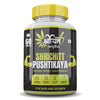
For individuals seeking a structured herbal approach, formulations like Shrichitt Piles Nirog Capsule are designed based on traditional Ayurvedic principles. Such formulations typically combine herbs that support digestion, bowel regularity, and tissue health in a balanced way.
When used alongside consistent lifestyle improvements, this type of herbal support can contribute to better long-term management and help reduce the chances of recurrence.
Key Insight
Chronic piles often reflect a deeper digestive imbalance. Combining lifestyle correction with appropriate internal herbal support creates a more complete and sustainable path toward recovery and digestive stability.
Frequently Asked Questions
1. Can lifestyle habits cause piles?
Yes, daily lifestyle habits play a major role in the development of piles. Patterns such as prolonged sitting, low-fibre diet, inadequate hydration, and irregular bowel habits gradually increase pressure on rectal veins. Over time, these factors influence digestion and contribute to swelling in the rectal area.
2. Does sitting too long cause piles?
Prolonged sitting, especially in desk jobs or while driving, increases pressure in the lower pelvic region. This pressure affects blood circulation in the rectal veins and can contribute to piles over time. Regular movement and short breaks support better circulation and help reduce this risk.
3. Can constipation lead to haemorrhoids?
Constipation is one of the most common contributing factors. Hard stools and difficulty in bowel movement often lead to straining, which increases pressure on rectal veins. Repeated strain can gradually enlarge these veins, leading to piles.
4. What lifestyle changes prevent piles?
Effective lifestyle practices focus on improving digestion and reducing strain:
-
Consuming a fibre-rich diet
-
Maintaining proper hydration
-
Following regular meal and bowel timings
-
Including daily walking or physical activity
-
Avoiding prolonged sitting
These habits support smooth bowel movement and help maintain rectal health.
5. What Ayurvedic remedies help with piles?
Ayurveda focuses on balancing digestion and supporting natural elimination. Common approaches include:
-
Herbal support, such as Triphala and Haritaki, for bowel regulation
-
Digestive spices like cumin and ginger to strengthen Agni
-
Daily routines that improve digestion and reduce constipation
In addition, balanced herbal formulations designed for piles management can support digestion, reduce internal strain, and promote long-term relief when combined with proper lifestyle practices.