Quick Overview
This comparative guide evaluates Ayurvedic weight loss tablets and powders to help users select the ideal delivery mechanism for their lifestyle. It breaks down critical differences in absorption speed, dosing precision, stomach heat sensitivity, and ingredient purity.
Introduction
There is a reason Ayurveda has guided the health of the Indian subcontinent for over five thousand years. Weight management, in classical Ayurvedic thought, is never about restriction alone. It is about kindling the digestive fire, clearing accumulated Ama, and bringing the body back to its natural metabolic intelligence.
That wisdom is now available in two distinct delivery formats: Churna, the traditional powdered herb preparation, and Vati or Gutika, the compressed tablet form. Both carry the same botanical heritage. Both are built to support weight management through the same core Ayurvedic mechanisms. What separates them is the lived experience, how each one absorbs, how each one fits a modern routine, and how each one interacts with individual digestion and body constitution.
Choosing between the two is less about which format is superior in theory and more about which one your body, your digestion, and your daily life can sustain long-term. A formula that sits unopened on a shelf because the taste is unbearable or the measuring ritual feels impractical has no therapeutic value. Consistency is where results are built, and consistency depends entirely on fit.
Ayurvedic Tablets vs Powder
Ayurvedic tablets and powders each have unique advantages. The right choice depends on your digestion, daily routine, taste preferences, budget, and long-term consistency.
| Factor | Best Choice | Why |
|---|---|---|
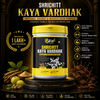
| Fast absorption | Powder (Churna) | Enters digestion without a tablet disintegration step. |
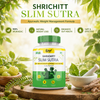
| Convenience | Tablets (Vati/Gutika) | Easy to carry, measure, and use during busy schedules. |
| Ingredient purity | Powder (Churna) | Closer to the traditional raw-herb format with minimal processing. |
| Sensitive stomach | Depends on the formulation and individual digestion | Some people prefer powders mixed with suitable carriers, while others find tablets easier to tolerate. |
| Travel | Tablets (Vati/Gutika) | Portable, compact, and simple to take on the go. |
| Value for money | Powder (Churna) | Usually provides a lower cost per serving. |
Understanding the Ayurvedic Approach to Weight Management
A healthy weight is a reflection of balanced digestion, efficient metabolism, and proper elimination. Focusing solely on body weight, this traditional system emphasises the body's ability to process food, nourish tissues, and maintain internal harmony.
Agni: The Foundation of Metabolism
Agni refers to the digestive and metabolic fire that transforms food into energy and nourishment. When Agni functions efficiently, the body can digest food properly, absorb nutrients, and support healthy metabolic activity.
A balanced Agni helps:
-
Support efficient digestion
-
Promote nutrient absorption
-
Maintain energy levels
-
Encourage natural metabolic balance
Ama: Undigested Waste and Toxin Build-Up
Ayurveda describes the resulting metabolic waste as Ama.
Ama is associated with:
-
A feeling of heaviness
-
Reduced digestive efficiency
-
Low energy levels
-
Difficulty maintaining a healthy weight
Supporting digestion and elimination is considered an important step in reducing Ama and restoring balance.
Kapha Imbalance and Weight Gain
Among the three doshas, Kapha is most closely linked with structure, stability, and nourishment. When Kapha becomes excessive, the body may develop tendencies toward heaviness, sluggishness, water retention, and increased fat accumulation.
Common signs of elevated Kapha may include:
-
Feeling physically heavy
-
Slow digestion
-
Reduced motivation for activity
-
Gradual weight gain
Ayurvedic weight management plans frequently focus on restoring Kapha balance while supporting digestive strength.
Digestive Weakness and Metabolic Sluggishness
Weight challenges can arise when digestion and metabolism lose efficiency over time. Irregular eating habits, heavy foods, reduced physical activity, and poor digestive strength may contribute to this imbalance.
As digestion becomes weaker:
-
Food processing becomes less efficient
-
Ama may accumulate more easily
-
Metabolic activity may slow down
-
Weight management can become more challenging
For this reason, many Ayurvedic formulations contain herbs traditionally used to support digestive fire, encourage efficient metabolism, and promote healthy elimination.
The Core Differences: Tablets vs Powders Explained
Many Ayurvedic weight management formulations are available in two common formats: Churna (powder) and Vati or Gutika (tablets). While the herbs and formulation goals may be similar, the way they are prepared and consumed creates a different user experience.
Understanding these formats can help you choose the option that fits your digestion, lifestyle, and daily routine.
What Is Churna?
Churna is the traditional Ayurvedic form of herbal preparation. It is created by carefully drying herbs and grinding them into a fine powder.
This format has been used for centuries in Ayurvedic practice and remains popular today for its simplicity and flexibility.
Characteristics of Churna include:
-
Made from finely powdered herbs or herbal blends
-
Closer to the traditional form described in Ayurvedic texts
-
Can be taken with warm water, honey, or other suitable carriers
-
Allows flexible serving sizes when guided appropriately
-
Exposes the user to the natural taste of the herbs
Many people choose Churna because it is a traditional herbal experience and can easily be incorporated into personalised wellness routines.
What Is Vati or Gutika?
Vati or Gutika refers to tablets or pills prepared from herbal ingredients that have been processed and compressed.
This format brings traditional Ayurvedic formulations into a more portable and easy-to-use format for modern lifestyles.
Characteristics of Vati or Gutika include:
-
Prepared from powdered herbs that are compressed into tablets
-
Provides a pre-measured serving size
-
Easy to carry while travelling or commuting
-
Requires minimal preparation before use
-
Helps mask the natural bitterness of certain herbs
For many people, tablets are a practical way to maintain consistency with their daily wellness routine.
How Tablets Are Made
Unlike loose powders, tablets undergo additional manufacturing steps.
These may include:
-
Blending herbal ingredients
-
Compression into a stable tablet form
-
Use of small amounts of structural ingredients that help maintain shape and durability
-
Formulation processes that support tablet disintegration after consumption
These supporting ingredients are commonly called excipients. There is a need to help the tablet remain stable during packaging, storage, and transport.
Does the Format Change the Purpose of the Herbs?
In most cases, the core botanical intention remains the same. Whether a formulation is available as a powder or a tablet, the herbs are generally selected to support similar wellness goals.
The main differences relate to:
-
Ease of use
-
Taste experience
-
Portability
-
Serving convenience
-
Personal preference
-
Daily adherence
Bioavailability and Absorption: How Fast Do They Actually Work?
When comparing Ayurvedic tablets and powders, one of the most common questions is how quickly the body can begin processing the herbs. This discussion is usually centred around bioavailability, which refers to how efficiently active compounds become available for use after consumption.
How Powders Move Through Digestion
Because a Churna (powder) is already finely ground, it enters digestion without requiring a tablet disintegration step. Once mixed with saliva and digestive fluids, the herbal particles are available for further breakdown and absorption.
This has a few practical advantages:
-
No tablet coating or compression to break down
-
Fine particles mix readily with digestive fluids
-
Traditional Ayurvedic use places importance on tasting the herbs before swallowing
-
The digestive process can begin immediately after consumption
For these reasons, powders may move through the early stages of digestion slightly faster than tablets.
How Tablets Move Through Digestion
A Vati or Gutika (tablet) follows an additional step before the herbs become fully available. After reaching the stomach, the tablet must first break apart, a process known as disintegration.
During this stage:
-
Digestive fluids enter the tablet
-
The compressed structure gradually separates
-
Herbal ingredients are released
-
Digestion and absorption continue as normal
Modern Ayurvedic tablets are designed to disintegrate efficiently, helping the herbs become available within a reasonable timeframe.
Does Faster Absorption Mean Better Results?
Not necessarily.
While powders may reach the digestive process slightly sooner, long-term outcomes depend on many factors, including:
-
Ingredient quality
-
Formulation design
-
Serving consistency
-
Digestive strength
-
Diet and lifestyle habits
A well-formulated tablet can still provide effective support when taken regularly as part of a balanced wellness routine.
Purity, Excipients, and Formulation Load
Both formats may contain the same core herbs; their physical form creates a different formulation profile.
Powders Stay Closer to the Raw Herb
A Churna (powder) is generally closer to the traditional herb. The ingredients are dried, ground, and blended into a fine preparation, which keeps the format simple and familiar.
This is one reason many people associate powders with a more traditional Ayurvedic experience. The format feels direct, uncomplicated, and closely connected to raw botanical use.
Tablets Require Structural Ingredients
A Vati or Gutika (tablet) must hold its shape during storage, transport, and use. To achieve this, tablet formulations include binders, excipients, and structural ingredients that help the compressed form remain stable.
These supporting ingredients serve practical purposes such as:
-
Holding the herbal particles together
-
Supporting tablet strength
-
Helping the tablet maintain shape
-
Assisting with disintegration after consumption
In high-quality formulations, these ingredients are generally selected with care and used in controlled amounts.
Why Some Prefer Powder
People who value a minimal formulation often prefer powder because it feels closer to the raw herbal source. This preference is especially common among users who want a traditional preparation style or a simpler ingredient profile.
For many purists, powder represents:
-
A more traditional format
-
A simpler formulation structure
-
A closer connection to the original herb
-
Greater transparency in preparation
Where Tablets Stand Out
Tablets bring their strength through convenience, portability, and consistency. Their structural ingredients make it easier to package, store, and carry the formulation in a stable form.
That means tablets often win in:
-
Ease of use
-
Travel-friendliness
-
Dosing consistency
-
Daily routine support
The Practical Takeaway
If purity in the sense of a closer raw-herb format matters most, powder tends to appeal more strongly. If convenience, stability, and easy daily use matter more, tablets are a practical advantage.
In simple terms, powders usually win on traditional simplicity, while tablets win on convenience and structure.
Stomach Heat, Acidity, and Digestive Sensitivity
Many Ayurvedic weight management herbs are considered heating in nature. This can support digestion and metabolism, yet it may also feel intense for people with sensitive digestion.
Heating Herbs and Digestive Comfort
Herbs used in weight management formulas work through stimulating digestive fire and supporting metabolic activity. For some, this feels supportive and warming. For others, especially those with a sensitive stomach, the same intensity may feel uncomfortable.
Common experiences some users associate with heating formulas include:
-
A warm or burning feeling in the stomach
-
Acidity after use
-
Reflux or sour belching
-
Digestive irritation when taken on an empty stomach
This is why digestive comfort matters when comparing delivery formats.
Why Powders More Flexibility
A Churna (powder) can be combined with a suitable carrier, sometimes called an Anupana, depending on the formula and guidance being followed. This gives the user more flexibility in how the herb is taken.
Powders may be easier to adapt because they can be paired with different carriers, such as warm water or other traditional supports, based on the formulation and personal digestion.
How Tablets Feel in the Stomach
A Vati or Gutika (tablet) must first break apart after swallowing. Once it reaches the digestive tract, the herbal ingredients are released together as the tablet disintegrates.
For some, this is a more concentrated release of the formulation in the stomach. People with strong digestion may find this easy to manage, while those with sensitivity may prefer a gentler format or a different way of taking the herbs.
Why This Matters
Digestive sensitivity is highly individual. The same weight management formula may feel comfortable for one person and intense for another.
That is why it helps to consider:
-
Personal tolerance for heating herbs
-
Existing acidity or reflux tendencies
-
Timing of use
-
Meal timing
-
Guidance from an Ayurvedic practitioner when needed
Why Gut Health, Agni, and Heating Herbs Matter
Ayurveda places digestive strength at the centre of healthy weight balance. The condition of the gut shapes how well the body processes food, clears waste, and maintains steady metabolic function. Key ideas such as Agni, Ama, Ushna Virya, Deepana, Pachana, and Anulomana help explain why some formulations feel supportive for one person and intense for another.
Agni: Digestive Fire and Metabolic Strength
Agni refers to the digestive fire that supports digestion, nutrient assimilation, and energy conversion. When Agni is steady, the body can process food more efficiently and maintain better metabolic balance.
A balanced Agni is associated with:
-
Better digestion
-
Smoother nutrient uptake
-
Steadier energy
-
Healthier weight support
When Agni weakens, digestion can feel slow and heavy, which is why many Ayurvedic weight management formulas focus on kindling this digestive fire first.
Ama: Undigested Residue and Heaviness
Ama refers to sticky, undigested metabolic residue that can build up when digestion stays weak. Ayurveda links Ama with heaviness, sluggishness, and blocked channels in the body.
Common signs connected with Ama include:
-
A heavy body feeling
-
Low digestive efficiency
-
Slow metabolism
-
Difficulty maintaining a healthy weight
From an Ayurvedic perspective, reducing Ama is a central step in supporting healthier body balance.
Ushna Virya: The Heating Nature of Weight Management Herbs
Many herbs used in weight management are described as having Ushna Virya, or hot potency. This helps stimulate digestion and support metabolic activity.
Herbs with Ushna Virya are often used because they may help:
-
Stimulate digestive fire
-
Support metabolism
-
Promote a warming effect in the body
-
Assist in the traditional Ayurvedic effort to reduce heaviness
This heating quality can be useful, though it also makes digestive comfort an important part of format selection.
Deepana and Pachana: Kindling and Processing
Ayurveda uses the terms Deepana and Pachana together.
-
Deepana supports the kindling of digestive fire
-
Pachana supports the digestion and processing of Ama
Together, these actions describe why many weight management herbs are chosen. They are meant to support digestion at the root level rather than only addressing surface symptoms.
Anulomana: Supporting Proper Downward Movement
Anulomana refers to the natural downward movement of the body, especially the smooth elimination of waste. In Ayurveda, proper elimination is essential for comfort, clarity, and metabolic balance.
This matters in weight management because:
-
Waste should move out efficiently
-
Digestion and elimination work best together
-
A sluggish bowel can add to heaviness
A formula that supports Anulomana may feel gentler.
Which Common Ingredients Are Used in Both Formats?
In Ayurvedic weight management, the same ingredient groups may appear in either Churna (powder) or Vati/Gutika (tablet) form. What changes most are the delivery style, serving convenience, and user experience.
Common Herbs Seen in Both Formats
Many Ayurvedic weight management formulations use the same traditional ingredients in both formats.
Triphala
Triphala is a classic Ayurvedic blend often used to support digestion, elimination, and gentle cleansing. It appears in both powders and tablets because it fits well into many weight management routines.
Medohar Guggulu
Medohar Guggulu is commonly associated with fat balance and Kapha support. Depending on the formulation, it may be prepared as a powder blend or compressed into tablets for easier daily use.
Trikatu
Trikatu is a heating herbal combination traditionally used to support digestive fire and metabolic activity. Since it has a strong taste profile, some prefer it as a tablet, while others prefer the traditional powder form.
Garcinia / Vrikshamla
Garcinia, also known as Vrikshamla, is included in some weight management formulations for its role in appetite and metabolic support.
Safety, Adulteration, and Quality Checks
When choosing an Ayurvedic weight management product, quality matters as much as the ingredient list. This is true for both powders and tablets. A trustworthy formula should come from a manufacturer that follows clear quality standards and provides transparent product information.
Choose Reputable Manufacturers
Clear labelling, proper sourcing, and responsible manufacturing all help build trust.
Look for:
-
Clear ingredient disclosure
-
Batch or lot information
-
Proper storage and packaging
-
Transparent manufacturing details
Third-Party Testing Adds Confidence
Independent testing can provide extra reassurance about product quality. Third-party checks help verify that the product matches its label and meets safety expectations.
Testing may help confirm:
-
Ingredient identity
-
Purity
-
Microbial safety
-
Heavy metal screening
-
Overall product consistency
Purity Concerns Can Affect Both Formats
Purity concerns are not limited to one delivery form. Powders and tablets can both face quality risks if sourcing or manufacturing standards are weak.
Possible concerns may include:
-
Contamination from poor raw material sourcing
-
Unclear or incomplete labeling
-
Inconsistent formulation quality
-
Improper storage conditions
Because of this, the safest choice is usually a product from a manufacturer that follows reliable quality control practices.
Heavy Metals and Adulteration Should Be Addressed Carefully
A balanced explanation is important:
-
Quality varies by manufacturer
-
Reputable brands often provide screening and testing details
-
Product safety depends on sourcing, preparation, and quality control
-
Concerns apply to both powders and tablets
Clear, careful wording helps the reader make a safer choice without creating unnecessary alarm.
When to Seek Professional Guidance
An Ayurvedic practitioner can help match the formulation to the individual’s digestion, constitution, and health needs. This is especially useful when a person has digestive sensitivity, ongoing health concerns, or uses other supplements or medicines.
Professional guidance may be helpful if the user:
-
Has acidity or reflux
-
Has a sensitive stomach
-
Uses other medications
-
Has a chronic condition
-
Wants a more personalised wellness plan
Tablets vs Powder at a Glance
This highlights the most practical differences between Ayurvedic tablets and powders, so you can decide based on daily use, digestion, and personal preference.
| Factor | Powder (Churna) | Tablet (Vati/Gutika) |
|---|---|---|
| Absorption | May move into digestion a little sooner because it does not need to break apart first | Must disintegrate before the herbs are fully released |
| Dosing | Requires manual measuring | Provides a fixed serving size |
| Purity | Feels closer to the raw herb form | Includes structural ingredients that help hold the tablet together |
| Taste | Strong herbal taste is fully present | Masks much of the bitter or pungent flavour |
| Convenience | Better for those who enjoy a traditional routine | Better for busy schedules and simple daily use |
| Stomach sensitivity | Can be paired with a suitable carrier when appropriate | May feel more concentrated once it breaks down in the stomach |
| Cost | Often lower cost per serving | Often costs more because of processing and tablet making |
| Travel friendliness | Less convenient to carry and measure on the move | Easy to pack and use while travelling |
| Customization | More flexible in preparation and serving style | Fixed format with less flexibility |
Frequently Asked Questions
The answers below address some of the most common concerns to help you make a more informed decision.
Which format is better for sensitive digestion?
The answer depends on the individual and the formulation. Some people appreciate the flexibility of powders because they can be taken with suitable carriers, while others find tablets easier to incorporate into their routine. Digestive comfort varies from person to person.
Can I mix Ayurvedic powders with water, milk, or honey?
Many Ayurvedic powders are traditionally taken with specific carriers, sometimes called Anupana. Depending on the formulation, water, honey, or other carriers may be used. Following product instructions or practitioner guidance is recommended for the most suitable method of use.
Can I switch from Ayurvedic tablets to powder or vice versa?
In many cases, the same herbal concepts are available in both formats. Switching may be possible depending on the formulation and serving instructions. Reviewing product directions and seeking professional guidance when needed can help ensure a smooth transition.
Conclusion
Ayurvedic weight loss tablets and powders both carry the same foundation of ancient herbal wisdom, and the right choice comes down to how each fits into your daily life rather than which one works harder. Tablets bring ease and consistency for busy routines, while powders bring a traditional, ritual-like quality for those with a slower morning pace. Whichever form you choose, consistency, patience, and a balanced lifestyle remain the true keys to lasting wellness.